When Speed Kills Strategy: The Structural Imbalance of Real-Time Shot Clocks in Super Battle Golf
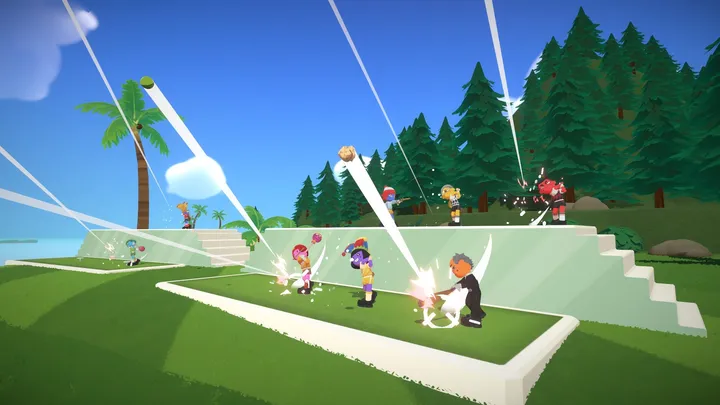
Super Battle Golf presents itself as a chaotic fusion of arcade golf and competitive arena mechanics. Its identity rests on fast rounds, aggressive power-ups, destructible environmental elements, and a relentless pace designed to keep players constantly engaged. Unlike simulation golf titles, Super Battle Golf removes patience from the equation and replaces it with urgency.
At the center of that urgency lies a defining mechanic: the real-time shot clock system. Every player operates under strict time pressure. Hesitation is punished. Deliberation is compressed. In theory, this keeps matches exciting and dynamic. In practice, however, the shot clock gradually distorts competitive balance, undermines strategic depth, and shifts skill expression toward mechanical speed over intelligent play.
This article examines one specific issue in Super Battle Golf: how its increasingly aggressive real-time shot clock system transforms tactical decision-making into reflex-driven execution, ultimately narrowing the competitive meta and disadvantaging strategic players. We will trace how this issue develops from early matches to high-level ranked play, and why it represents a structural imbalance rather than a minor pacing flaw.
1. Early Rounds: The Shot Clock Feels Energizing
In beginner matches, the shot clock feels like a refreshing alternative to traditional golf pacing. Instead of waiting for opponents to line up shots meticulously, players are forced to act quickly.
The early courses are simple, with clear fairways and minimal hazards. Decisions are straightforward: aim, adjust power, shoot.
H3: Controlled Simplicity
Early-game design supports the clock:
- Straightforward hole layouts
- Limited environmental hazards
- Basic power-up interactions
H4: The Illusion of Balanced Urgency
Because complexity is low, time pressure feels fair. Players attribute mistakes to inexperience, not systemic constraint.
At this stage, speed enhances excitement rather than restricting thought.
2. Increasing Course Complexity Without Time Adjustment
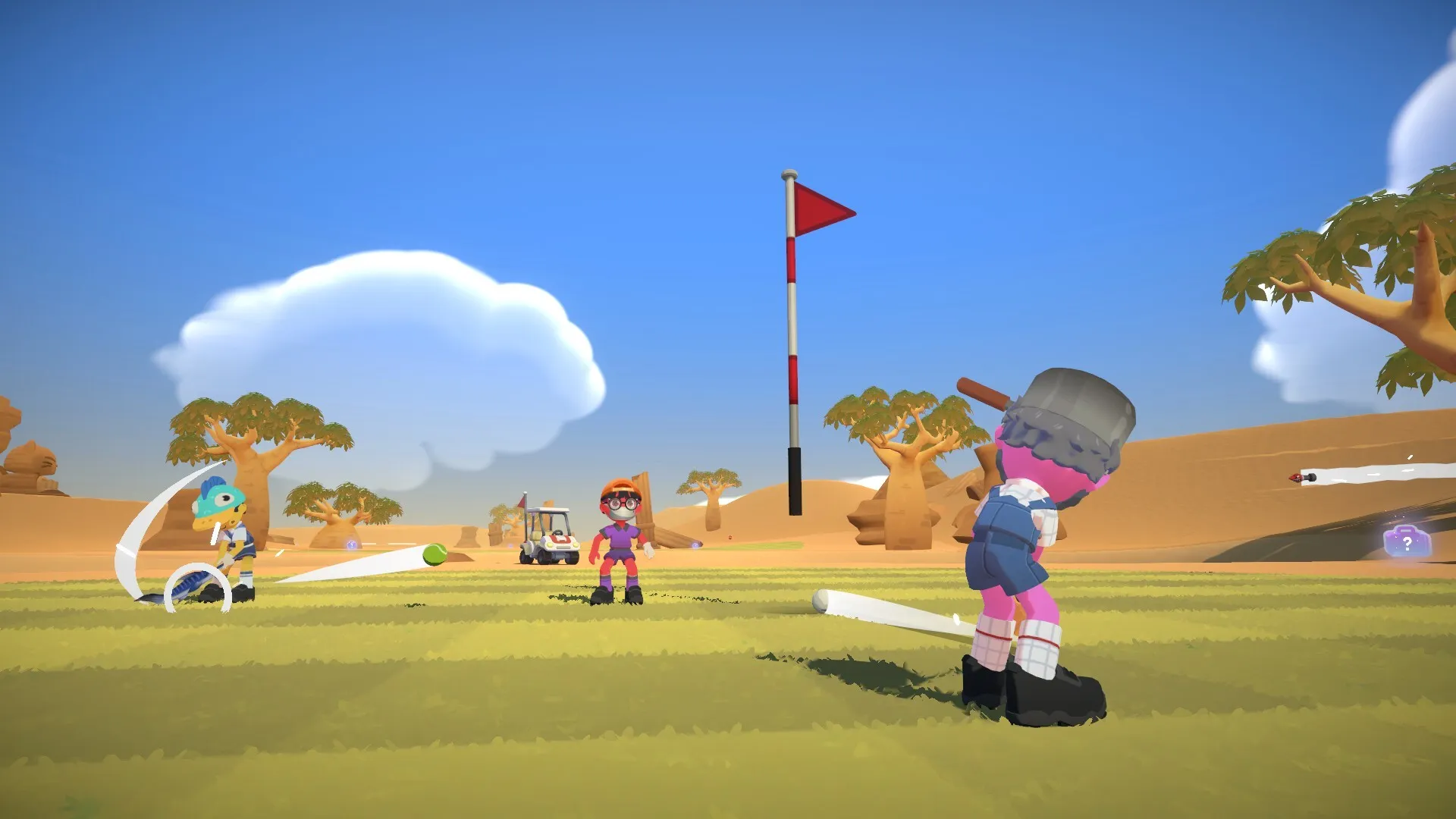
As players progress, course design evolves. Hazards multiply. Elevation changes become severe. Dynamic obstacles are introduced.
However, the shot clock remains largely unchanged.
H3: Layered Decision Variables
Mid-tier courses introduce:
- Moving barriers
- Collapsible terrain
- Wind modifiers
- Bounce-altering surfaces
H4: Cognitive Overload
The time window that felt sufficient in early levels now becomes restrictive. Players must calculate trajectory, wind, hazard timing, and power-up risk within seconds.
Strategic thinking begins to compress.
3. Real-Time Multiplayer Pressure
Super Battle Golf’s competitive modes emphasize simultaneous action rather than turn-based pacing.
H3: Reactive Chaos
In real-time matches:
- Opponents trigger traps mid-aim
- Terrain changes while lining up shots
- Projectiles disrupt trajectories
H4: Strategy vs Reflex
Instead of planning long-term positioning, players focus on:
- Quick releases
- Defensive shot timing
- Immediate retaliation
The shot clock amplifies chaos rather than rewarding foresight.
4. Power-Ups and Time Compression
Power-ups are central to Super Battle Golf’s identity. They alter terrain, disrupt opponents, and modify ball physics.
Yet the shot clock leaves minimal time to evaluate power-up sequencing.
H3: Tactical Depth Undermined
Players rarely have time to:
- Simulate bounce chains
- Anticipate counter-abilities
- Weigh aggressive vs defensive plays
H4: List – Consequences of Time-Limited Power Play
- Defaulting to strongest immediate power-up
- Ignoring situational tools
- Avoiding experimental combos
- Reducing synergy between teammates
The system rewards immediacy over creativity.
5. Ranked Mode Escalation
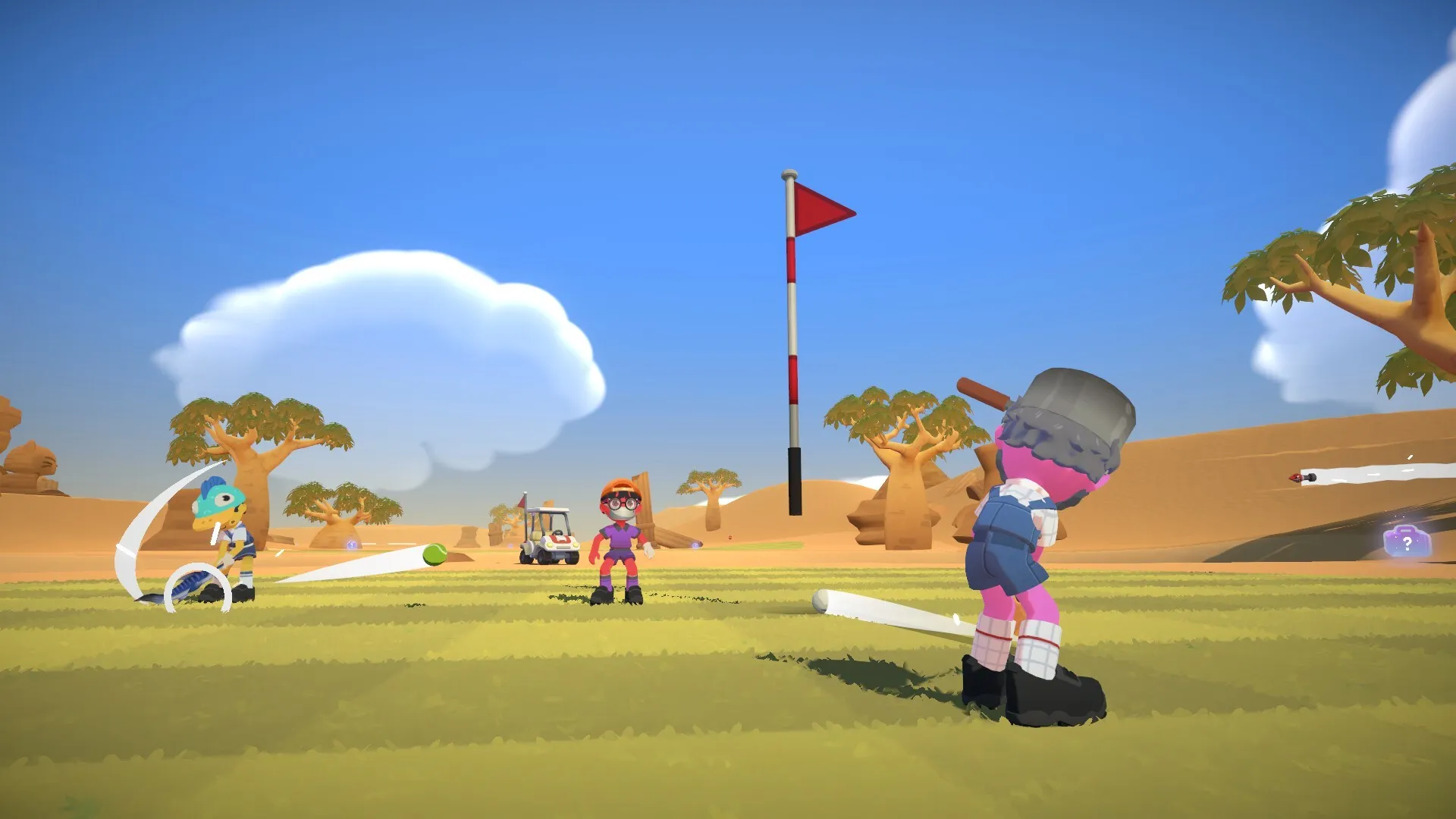
In ranked play, precision matters. Margins of error shrink dramatically.
However, the shot clock remains constant — even as stakes increase.
H3: Skill Compression
Highly skilled players may:
- Recognize optimal angles
- Identify advanced bank shots
- Predict opponent disruption
But lack time to execute full calculations.
H4: Mechanical Bias
Fast decision-makers outperform thoughtful planners.
Strategic intelligence becomes secondary to reaction speed.
6. Accessibility Imbalance
The aggressive shot clock creates a hidden accessibility barrier.
H3: Player Variability
Different players have:
- Different reaction times
- Different cognitive processing speeds
- Different comfort levels under pressure
H4: Structural Exclusion
When time pressure is inflexible:
- Slower thinkers are disadvantaged
- Analytical players underperform
- Neurodivergent players face disproportionate difficulty
The system favors a narrow cognitive profile.
7. The Emergence of the “Safe Shot Meta”
Over time, competitive players adapt to time constraints by minimizing risk.
H3: Conservative Optimization
Instead of executing complex plays, players choose:
- Straight-line drives
- Low-variance bounces
- Minimal power-up usage
H4: Meta Narrowing
Creativity declines because risky strategies require time to evaluate.
The faster the clock feels, the safer the meta becomes.
8. Psychological Fatigue
Constant time pressure produces measurable fatigue.
H3: Sustained Cognitive Load
Fast matches stack rapidly. Players experience:
- Decision exhaustion
- Increased error rate
- Reduced enjoyment
H4: Emotional Consequences
Instead of exhilaration, extended sessions generate:
- Irritability
- Frustration
- Performance anxiety
Speed ceases to feel thrilling.
9. Spectator Appeal vs Player Experience
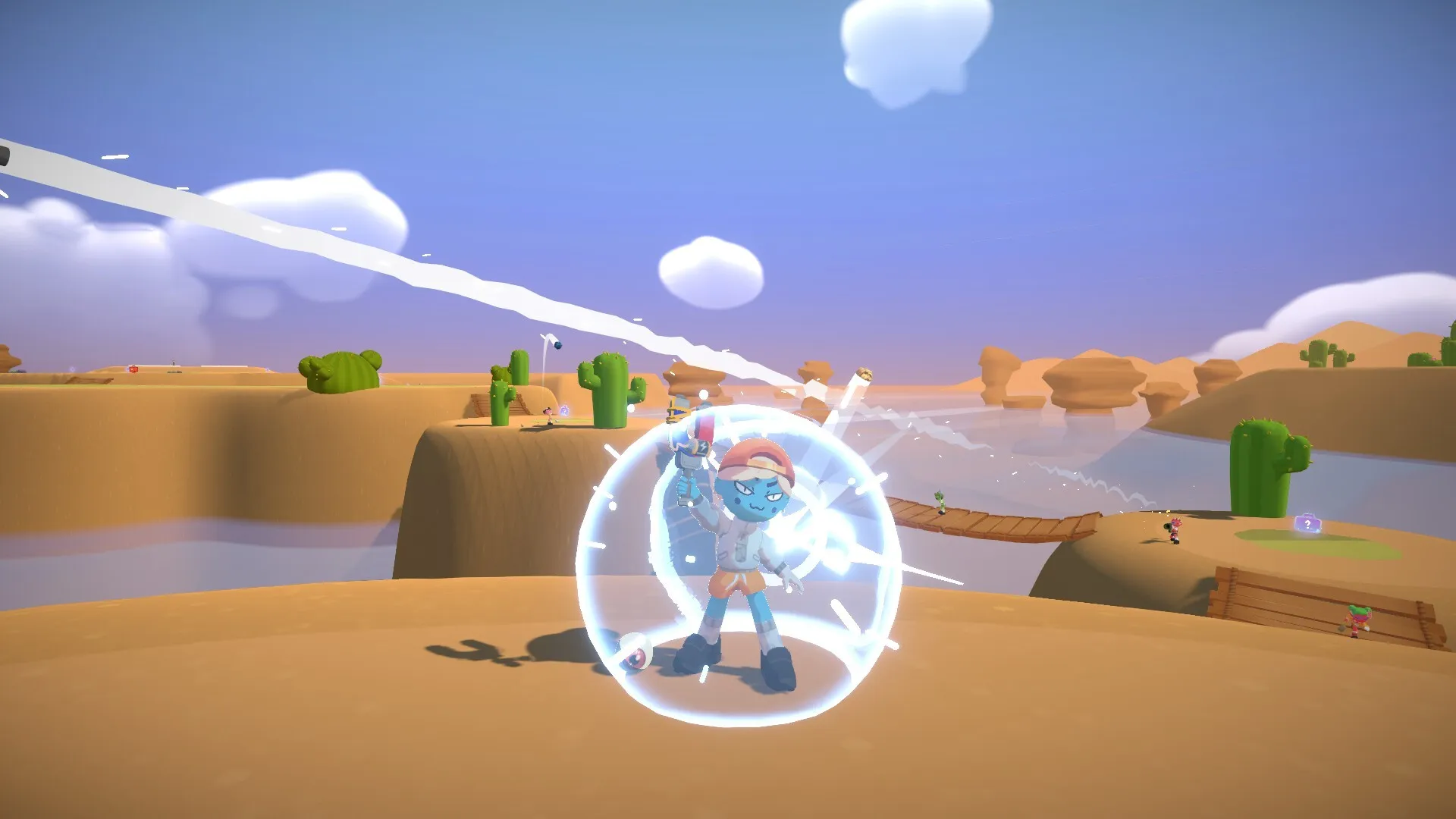
From a streaming and spectator perspective, rapid action is attractive.
H3: Visual Excitement
Quick shots create:
- Dramatic momentum shifts
- Chaotic highlight moments
- Short match cycles
H4: Hidden Trade-Off
However, spectator clarity often improves with visible setup and anticipation.
Excessive speed reduces narrative buildup within each shot.
Players lose storytelling space.
10. The Core Design Tension
The central conflict in Super Battle Golf is not speed itself — it is inflexible speed.
H3: What the Shot Clock Achieves
- Prevents stalling
- Encourages aggression
- Maintains pace
H4: What It Sacrifices
- Deep planning
- Strategic diversity
- Inclusive accessibility
- High-level innovation
Possible design alternatives could include:
- Adaptive clocks based on course complexity
- Bonus time for power-up usage
- Ranked mode extended timers
- Dynamic time rewards for skillful plays
Without flexibility, speed becomes constraint.
Conclusion
Super Battle Golf thrives on energy and unpredictability. Its real-time shot clock defines its arcade identity and separates it from simulation golf experiences. In early matches, this system feels fresh and empowering. However, as course complexity increases and competitive stakes rise, the fixed time constraint begins to undermine the very strategic depth the game introduces.
Over time, players adapt not by becoming more creative, but by becoming more cautious and mechanically efficient. The result is a narrowed meta, accessibility imbalance, and strategic compression. Speed remains exciting — but only when it enhances choice rather than restricts it.
For Super Battle Golf to sustain long-term competitive health, it must reconsider how urgency interacts with complexity. Without that recalibration, the shot clock risks turning dynamic strategy into reflex repetition.