



Introduction
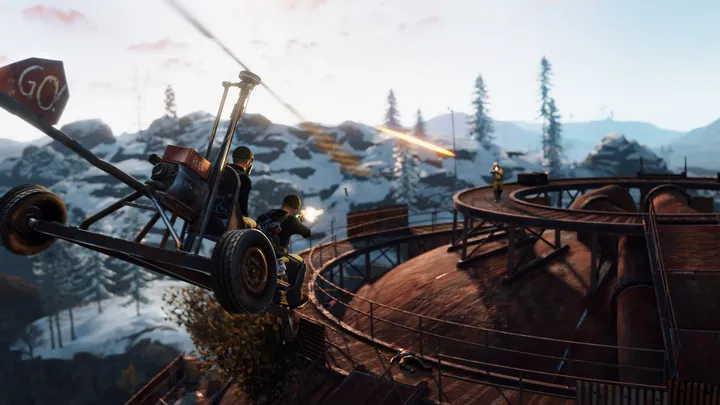
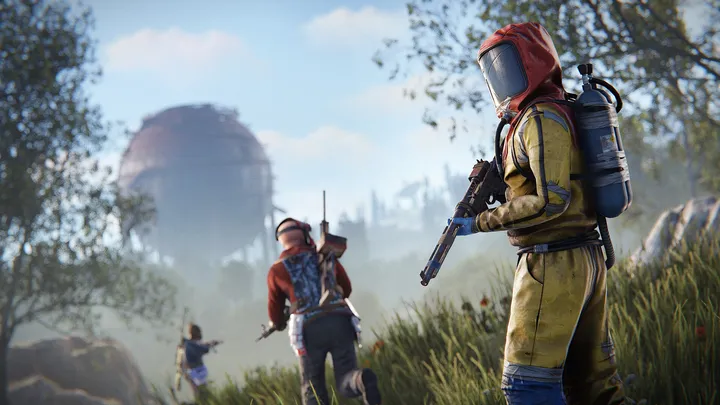
Rust is one of the most competitive survival games ever created. Developed by Facepunch Studios, Rust drops players into a harsh open world where survival depends not only on gathering resources and building bases but also on dealing with other players who may attack, raid, or steal at any moment.
Unlike many survival games, Rust revolves around server wipes, progression races, and player interactions. A successful Rust player must learn how to gather resources efficiently, build secure bases, acquire weapons quickly, and survive against increasingly dangerous enemies. The first few hours after a wipe often determine whether a player becomes powerful or falls behind.
This guide explains how to progress efficiently from a fresh spawn on the beach to a fully equipped endgame survivor. The article follows the natural progression timeline used by experienced players and focuses on practical strategies that improve survival and long-term success.
1. How to Survive the First Minutes After Spawning
Every Rust journey begins on the beach with only a rock and a torch. During the first few minutes, your goal is not combat or exploration. Your goal is simply survival and resource collection.
Many new players waste time fighting others or running into dangerous monuments immediately after spawning. This usually ends with death and lost progress. Instead, focus on gathering basic materials and moving away from crowded spawn zones.
First Resources to Collect
Gather these resources immediately:
- Wood
- Stone
- Cloth
- Food
- Hemp plants
These resources form the foundation of early progression.
First Crafting Priorities
Craft the following items:
- Stone Hatchet
- Stone Pickaxe
- Spear
- Sleeping Bag
- Wooden Building Plan
These tools dramatically increase gathering speed and survivability.
Early Survival Tip
Always place sleeping bags frequently. Having multiple respawn locations reduces the risk of losing all progress after death.
2. How to Build Your First Starter Base
Once basic resources are secured, your next priority is building a small but secure base.
A starter base protects loot from other players and provides a safe location for crafting and storage.
Choosing a Base Location
Look for areas with:
- Nearby resource nodes
- Access to roads
- Moderate monument distance
- Limited player traffic
- Flat terrain
Building too close to major monuments often attracts unwanted attention.
Starter Base Essentials
A basic starter base should include:
- Tool Cupboard
- Sleeping Bag
- Storage Boxes
- Airlock Entrance
- Furnace
An airlock is critical because it prevents enemies from entering when you open your doors.
Avoid Common Building Mistakes
Never leave a base with only one door. Single-door designs are vulnerable to simple mistakes and door campers.
3. How to Gather Resources Efficiently
Resource gathering drives progression in Rust. Players who gather efficiently unlock weapons, defenses, and upgrades much faster.
Understanding resource priorities is essential.
Important Resource Types
Focus on collecting:
- Wood
- Stone
- Metal Ore
- Sulfur Ore
- Scrap
Each serves a specific purpose during progression.
Best Early Farming Strategy
Start by farming:
- Trees
- Stone nodes
- Road barrels
- Loot crates
Road farming provides valuable scrap while remaining relatively safe.
Resource Management Tip
Deposit resources frequently. Carrying large amounts of materials increases the consequences of dying.
4. How to Get Scrap Quickly
Scrap is the most important progression currency in Rust.
It unlocks blueprints, workbench technology, and advanced crafting options.
Reliable Scrap Sources
Scrap can be earned from:
- Road barrels
- Monuments
- Crates
- Recycling components
- Missions
Recycling unwanted components often provides large amounts of scrap early in the wipe.
Beginner-Friendly Monuments
Good starter monuments include:
- Gas Station
- Supermarket
- Mining Outpost
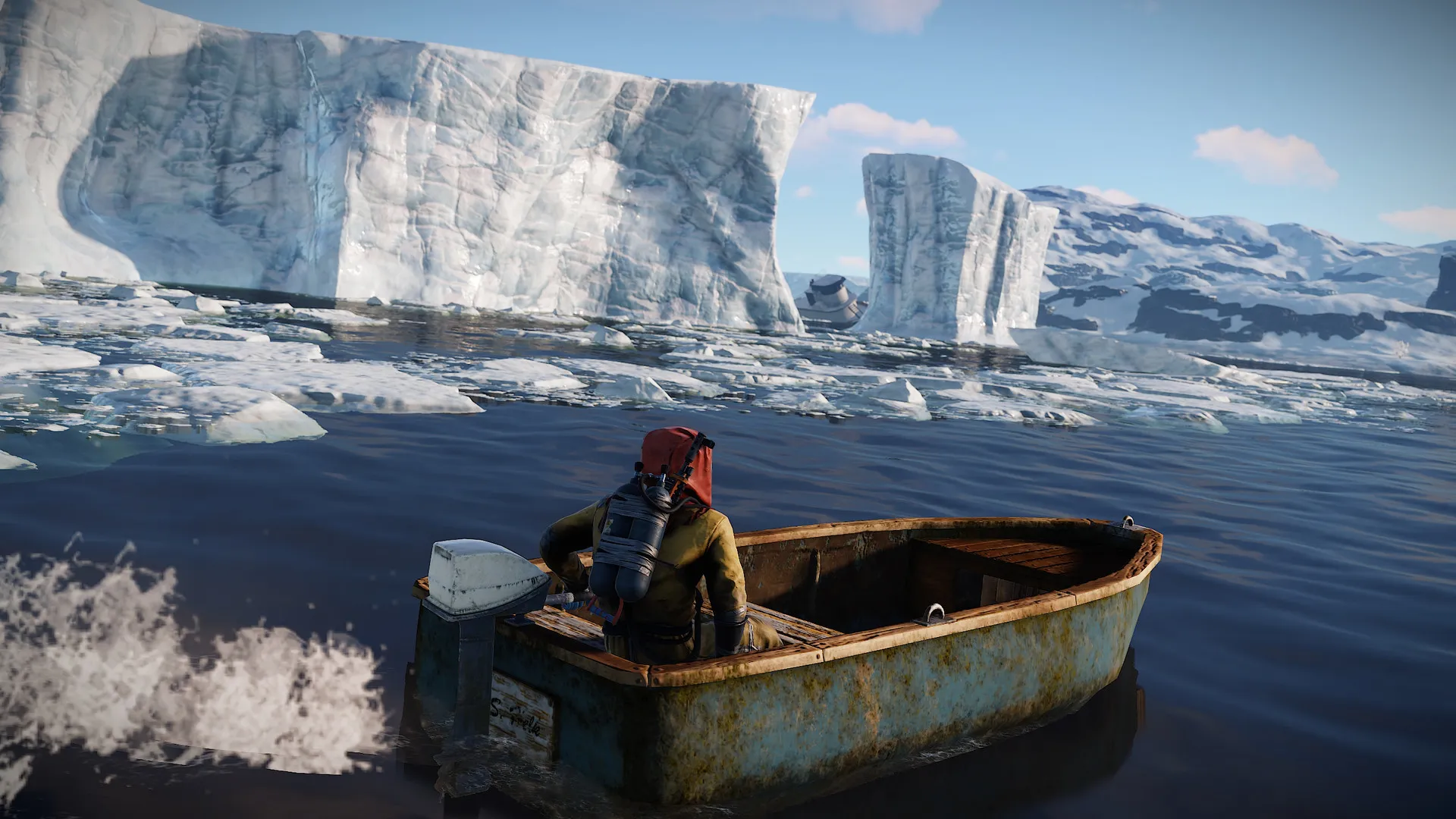
- Harbor
These locations provide useful loot without requiring advanced gear.
Blueprint Progression
Spend scrap carefully. Unlocking important weapons and tools early provides a major advantage.
5. How to Obtain Better Weapons
Combat becomes increasingly important as the wipe progresses.
Primitive weapons are useful initially, but stronger firearms are necessary for survival.
Early Weapon Progression
Most players advance through:
- Spear
- Bow
- Crossbow
- Revolver
- Semi-Automatic Rifle
Each upgrade improves combat effectiveness significantly.
Where to Find Weapons
Weapons can be obtained through:
- Crafting
- Loot crates
- Monument runs
- PvP victories
Successful players often combine multiple methods.
Combat Tip
Winning fights depends more on positioning than expensive weapons.
6. How to Upgrade to a Secure Base
A starter base eventually becomes insufficient.
As resources accumulate, players need stronger defenses.
Upgrade Priorities
Upgrade structures in this order:
- Wood
- Stone
- Sheet Metal
- Armored
Stone provides the first meaningful level of protection.
Essential Security Features
Include:
- Airlocks
- Multiple doors
- Tool Cupboard protection
- Roof access
- Hidden loot rooms
Layered defenses discourage raiders.
Base Design Principle
A base should cost more to raid than the expected value of the loot inside.
7. How to Run Monuments Safely
Monuments provide some of the best loot in Rust.
However, they are also major PvP hotspots.
Preparation Checklist
Bring:
- Healing items
- Food
- Weapons
- Extra ammunition
- Protective clothing
Preparation dramatically improves survival chances.
Monument Progression
Players often progress through:
- Gas Station
- Harbor
- Satellite Dish
- Water Treatment
- Launch Site
Higher-tier monuments offer better rewards but greater risks.
Situational Awareness
Always assume another player is nearby. Rust rewards caution.
8. How to Defend Yourself in PvP
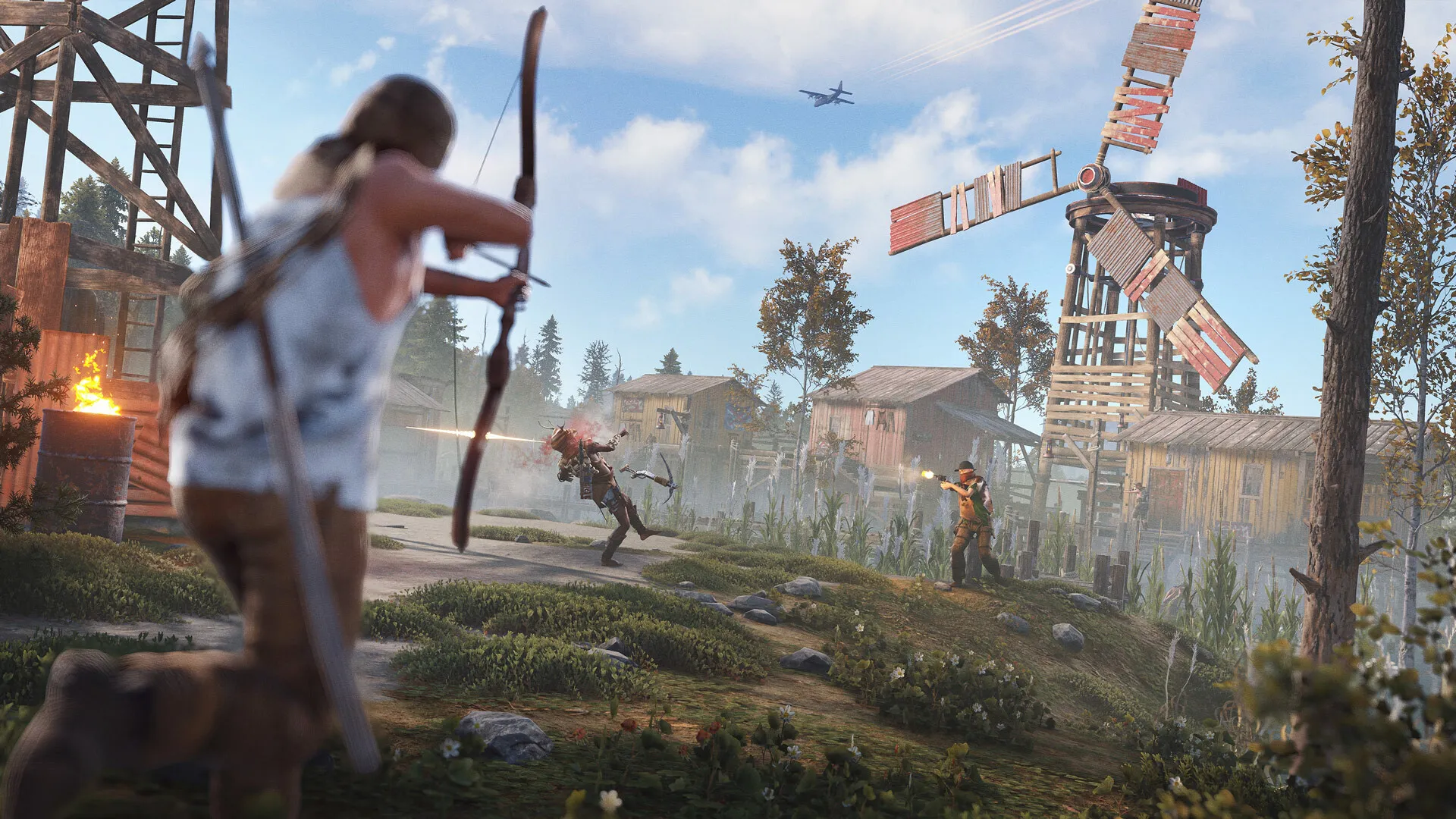
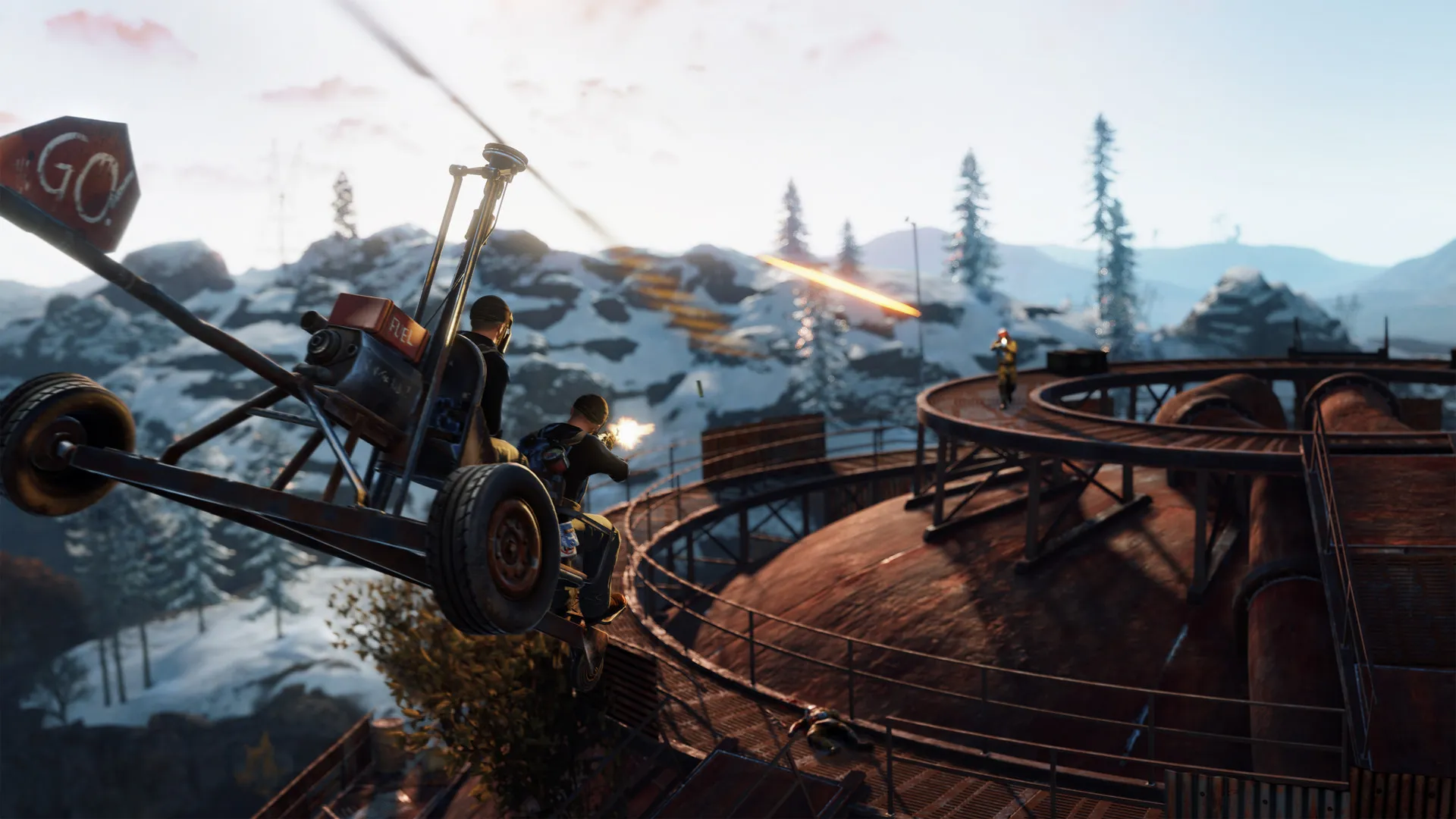
Player-versus-player combat defines Rust.
Even skilled farmers and builders eventually need combat skills.
PvP Fundamentals
Focus on:
- Positioning
- Cover usage
- Movement
- Aim discipline
- Sound awareness
Good decisions often outweigh mechanical skill.
Common PvP Mistakes
Avoid:
- Sprinting constantly
- Fighting while overloaded
- Standing in open areas
- Tunnel vision
Survival often depends on recognizing danger before combat begins.
Learning Through Experience
Expect losses. Every fight provides valuable information for future encounters.
9. How to Prepare for Raiding
Raiding is a major endgame activity.
Players use explosives to break into enemy bases and steal resources.
Important Raid Materials
Gather:
- Sulfur
- Metal Fragments
- Charcoal
- High Quality Metal
Sulfur is especially valuable because it is required for explosives.
Basic Raid Planning
Successful raids require:
- Reconnaissance
- Resource calculation
- Team coordination
- Escape planning
Poor planning wastes enormous amounts of sulfur.
Defensive Considerations
Always strengthen your own base before focusing heavily on raiding others.
10. How to Reach Endgame Dominance
Endgame Rust revolves around efficiency, territory control, and resource management.
Survival alone is no longer the objective.
Endgame Goals
Experienced players focus on:
- Large compounds
- Advanced weaponry
- Vehicle ownership
- Monument control
- Raid dominance
At this stage, progression becomes strategic rather than survival-based.
Maintaining Power
Successful players:
- Farm consistently
- Protect resources
- Expand carefully
- Control nearby areas
- Adapt to server dynamics
Dominance requires constant effort throughout the wipe.
Long-Term Success
The strongest players combine combat skills, economic efficiency, and intelligent decision-making.
Conclusion
Rust is far more than a simple survival game. It is a dynamic competition where resource management, combat ability, building knowledge, and strategic planning all determine success. Players who understand progression pathways can advance from a vulnerable beach spawn to a heavily armed endgame survivor much faster than those who rely on trial and error.
The key to success is focusing on priorities at each stage of the wipe. Secure resources early, establish a safe base, gather scrap efficiently, upgrade weapons steadily, and strengthen defenses before taking major risks. As experience grows, players can shift toward monument control, raiding, and territory dominance.
Whether playing solo, in a small group, or as part of a large clan, mastering these progression strategies will dramatically improve your Rust experience and increase your chances of surviving every wipe.