Little Nightmares III: The Ultimate Howto Guide to Master This Hot Game
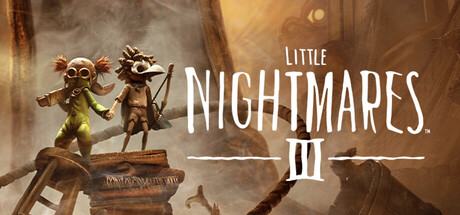
Little Nightmares III is a dark puzzle adventure that combines unsettling environments, mysterious characters, survival elements, and imaginative storytelling. The game continues the eerie atmosphere of the Little Nightmares series while introducing a new journey filled with strange locations, dangerous creatures, and challenging situations.
Players take control of two new characters, Low and Alone. Each character has a different tool and ability, creating new ways to explore the world and solve environmental puzzles. The game can be experienced alone with an AI companion or through online cooperative play with another player.
Unlike traditional action games, Little Nightmares III focuses more on observation, timing, exploration, and problem-solving. The world is full of hidden paths, suspicious objects, and dangerous enemies. Players must understand their surroundings and work together to survive.
This howto guide explains the main mechanics, exploration strategies, puzzle-solving methods, teamwork tips, and common mistakes in this hot game.
1. Understanding the World of Little Nightmares III
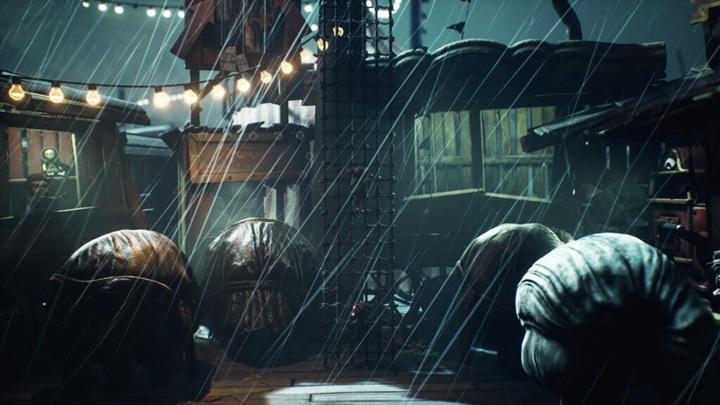
Little Nightmares III takes place in a disturbing world filled with abandoned structures, unsettling environments, strange machines, and terrifying creatures. The game uses a cinematic camera angle that makes the characters appear small compared to the world around them.
This visual design creates a strong feeling of vulnerability. Ordinary objects such as furniture, toys, doors, and tools can become important parts of the adventure. The environment often feels like a giant maze where every room contains a new threat or mystery.
Main Features
- Dark puzzle adventure gameplay
- Two playable characters
- Solo and online cooperative modes
- Atmospheric environments
- Environmental storytelling
- Stealth and survival elements
- Creative puzzles
- Dangerous enemies
- Unique character tools
- Cinematic horror presentation
The game does not explain everything directly. Instead, players discover the story through the environment, character behavior, visual details, and strange events. This makes exploration an important part of the experience.
A World Full of Danger
The world of Little Nightmares III is not designed to feel safe. Enemies may appear suddenly, pathways can collapse, and seemingly harmless objects may become dangerous. Players should always observe the environment before moving forward.
Patience is essential. Running without checking your surroundings can lead to missed clues or unnecessary deaths. Take time to understand the area and identify possible escape routes.

2. Meeting Low and Alone
The main characters in Little Nightmares III are Low and Alone. They are two children attempting to escape a disturbing world known as the Spiral.
Each character has a different tool that influences how they interact with the environment. Their abilities are designed to complement each other, especially during cooperative gameplay.
Low
Low uses a bow and arrows. This tool can be useful for interacting with objects from a distance, activating mechanisms, and dealing with certain environmental challenges.
The bow is not simply a traditional weapon. It is also an exploration tool. Players may need to shoot targets, cut ropes, trigger devices, or reach objects that cannot be accessed directly.
Alone
Alone uses a wrench. The wrench can be used to break objects, manipulate machinery, and interact with specific parts of the environment.
This tool gives Alone a different role during puzzles. Some situations require physical interaction, while others depend on Low’s ranged ability.
Working Together
The two characters are most effective when their abilities are combined. One character may activate a mechanism while the other moves through an opened path. In other situations, one player may distract an enemy while the other searches for a way forward.
Understanding each character’s strengths is an important part of mastering the game.
3. Learning the Basic Controls
The controls in Little Nightmares III are designed to be accessible, but players still need to become comfortable with movement and interaction.
The most important actions include:
- Walking and running
- Jumping
- Climbing
- Crouching
- Hiding
- Picking up objects
- Pulling or pushing items
- Using character tools
- Interacting with mechanisms
- Avoiding enemies
Movement should be controlled carefully. The characters are not powerful fighters, so running directly toward danger is usually a bad idea.
Movement Tips
Use walking when exploring unfamiliar areas. Running is useful when escaping an enemy or crossing a dangerous section, but it can also make you miss small clues.
Jumping should be timed carefully. Some platforms are narrow, and a missed jump may force you to repeat a section. Before jumping, check the distance and look for a safe landing point.
Crouching and hiding are also important. Certain enemies may not be defeated directly, so avoiding their attention is often the best strategy.
4. Exploring the Environment
Exploration is one of the strongest parts of Little Nightmares III. The game encourages players to investigate rooms, corridors, abandoned structures, and unusual locations.
Important clues may be hidden in corners or behind objects. Some paths are not immediately visible, and players may need to move furniture, climb platforms, or use tools to discover them.
What to Look For
- Unusual objects
- Movable furniture
- Broken doors
- Ropes and chains
- Switches
- Hidden openings
- Climbable surfaces
- Targets for arrows
- Machinery
- Light and shadow changes
If an object looks out of place, inspect it carefully. The developers often use visual details to guide players without giving direct instructions.
Explore Before Acting
Before interacting with a mechanism, look around the room. You may find a clue that explains how the mechanism works. Acting too quickly can make the puzzle harder to understand.
It is also useful to remember the layout of each area. If an enemy appears, knowing where you came from and where you can hide may save your character.
5. Solving Environmental Puzzles
The puzzles in Little Nightmares III are based on observation, timing, and interaction with the environment. They are usually connected to the objects around you rather than presented as separate menus or traditional logic tests.
Common Puzzle Types
- Moving boxes
- Activating switches
- Shooting targets
- Breaking obstacles
- Operating machines
- Pulling levers
- Creating platforms
- Opening locked paths
- Combining character abilities
- Timing movement with hazards
The best way to solve a puzzle is to inspect the entire area first. Identify which objects can be moved, which mechanisms can be activated, and which paths are blocked.
A Simple Puzzle Method
- Examine the entire room.
- Identify all interactive objects.
- Check whether Low’s bow is useful.
- Check whether Alone’s wrench is useful.
- Look for movable objects.
- Observe nearby platforms and pathways.
- Test one action at a time.
- Watch for changes in the environment.
If a puzzle does not work, do not immediately assume that the game is broken. You may need to complete another action first or use the characters in a specific order.
Use the Environment as a Guide
The game often communicates solutions through visual design. A rope may suggest that something needs to be pulled. A target may indicate where an arrow should be fired. A damaged object may reveal that the wrench is required.
Learning to recognize these visual signals makes the game easier without removing its mystery.
6. Using Low’s Bow and Alone’s Wrench
The unique tools of the characters are central to the gameplay. Players should learn how each tool works and when it can be useful.
Using the Bow
Low’s bow can interact with distant targets and objects. When you see a target, inspect the surrounding area before firing. The target may activate a door, move a platform, or change the position of a machine.
Do not waste time shooting randomly. Aim carefully and observe the result of every successful hit.
The bow can also be useful when the characters cannot safely approach an object. This allows Low to solve certain problems from a distance.
Using the Wrench
Alone’s wrench is useful for breaking or manipulating objects. If you encounter a damaged barrier, machine, or fragile structure, consider whether the wrench can interact with it.
The wrench may also be required to activate mechanical systems. Look for parts that appear loose, broken, or unfinished.
Combining Both Tools
Some puzzles require both characters to act in sequence. Low may activate a distant mechanism while Alone moves a heavy object. Alternatively, Alone may clear a path so Low can reach a target.
Always consider both abilities before deciding what to do next.
7. Understanding Stealth and Enemy Encounters
Little Nightmares III is not primarily a combat game. Many enemies are stronger, larger, or more dangerous than the main characters. Avoiding danger is often more effective than confronting it.
Stealth Basics
- Move slowly near enemies.
- Stay behind cover.
- Use shadows and hiding places.
- Avoid making unnecessary noise.
- Watch enemy movement patterns.
- Wait for the right moment to move.
- Keep an escape route available.
Enemy behavior is often predictable once you observe it. Watch how a creature moves, where it looks, and how long it stays in one position.
Do Not Rush
A common mistake is moving too early. Even if an enemy appears to be looking away, it may turn around unexpectedly. Wait until the path is clearly safe.
In cooperative mode, both players should move together. If one player runs ahead while the other is still hiding, the enemy may detect the separated character.
Escaping Danger
When an enemy notices you, running may be necessary. However, panic can cause mistakes. Try to remember nearby doors, platforms, hiding places, and alternate paths.
Some encounters require timing rather than speed. Wait for the correct opportunity instead of running directly into danger.
8. Playing Alone or With a Friend
Little Nightmares III supports solo play and online cooperative play. Both modes offer different experiences.
Solo Gameplay
When playing alone, the second character is controlled by artificial intelligence. This allows you to experience the story without another person, but you must pay attention to the companion’s position and behavior.
Solo players should give themselves time to understand each puzzle. The AI companion may assist with certain actions, but you still need to observe the environment and plan your movements.
Cooperative Gameplay
Playing with a friend can make the game more engaging. Communication helps both players understand what they see and decide who should act first.
Useful communication includes:
- Describing nearby objects
- Identifying enemy positions
- Calling out safe paths
- Explaining puzzle clues
- Confirming when a mechanism is ready
- Warning before moving
- Coordinating tool usage
Cooperative Tips
Do not separate too far from your partner. Some areas require both characters to act together, and moving too far ahead can create confusion.
Before activating a mechanism, tell your partner what you plan to do. This is especially important during timed sequences or enemy encounters.
9. Avoiding Common Mistakes
Little Nightmares III can be challenging because it does not always explain its mechanics directly. Most mistakes happen when players rush, ignore clues, or fail to understand the environment.
Common Mistakes
- Running without checking the area
- Ignoring small objects
- Missing hidden paths
- Using the wrong character tool
- Moving before an enemy leaves
- Forgetting to look behind objects
- Separating from a cooperative partner
- Repeating the same action without observing results
- Ignoring environmental sounds
- Failing to check newly opened areas
One major mistake is assuming that every problem can be solved with jumping or running. Many obstacles require a specific interaction. Look for mechanisms, targets, breakable objects, and movable items.
Another mistake is failing to review the environment after solving a puzzle. A successful action may open a new path or change an earlier area. Return to the room and inspect what has changed.
What to Do When You Are Stuck
If you cannot find the solution, follow these steps:
- Stop moving randomly.
- Look around the entire area.
- Check all doors and openings.
- Inspect objects that appear unusual.
- Consider both character abilities.
- Observe enemy movement.
- Look for targets, ropes, and machines.
- Try returning to a previous location.
- Check whether a new path has opened.
The game rewards careful observation, so slowing down is often more useful than trying many random actions.
10. Why Little Nightmares III Is a Hot Game
Little Nightmares III is a hot game because it combines atmospheric horror, creative puzzles, and cooperative gameplay in a memorable experience. The series is known for its disturbing visual style, mysterious storytelling, and imaginative environments, and the third entry continues that identity with new characters and mechanics.
The addition of Low and Alone creates fresh gameplay possibilities. Their different tools encourage players to think about puzzles from multiple perspectives. This makes the game suitable for both solo players and friends who enjoy solving challenges together.
Reasons to Play Little Nightmares III
- Strong horror atmosphere
- Creative environmental puzzles
- Unique character abilities
- Solo and cooperative options
- Cinematic presentation
- Mysterious storytelling
- Memorable enemy designs
- Exploration-focused gameplay
- Challenging stealth sequences
- A distinctive visual style
The game is especially appealing to players who enjoy atmospheric adventures rather than constant combat. Its tension comes from uncertainty, strange environments, and the feeling that danger may appear at any moment.
The cooperative mode also gives the game a social element. Players can discuss clues, coordinate movement, and share the excitement of discovering new areas. This makes the experience more interactive than a typical single-player horror adventure.
Conclusion
Little Nightmares III is a dark and atmospheric puzzle adventure that combines exploration, stealth, environmental storytelling, and cooperative gameplay. Players control Low and Alone, two characters with different tools that help them overcome obstacles and discover the mysteries of the Spiral.
To succeed, focus on careful observation, controlled movement, and smart use of character abilities. Low’s bow and Alone’s wrench are essential for solving puzzles, while stealth and timing are often more important than direct combat.
Whether you play alone or with a friend, the best approach is to explore slowly, study enemy behavior, inspect unusual objects, and communicate clearly. With patience and teamwork, Little Nightmares III becomes a memorable hot game filled with mystery, tension, and discovery.